


ما الذي تبحث عنه؟
Introduction
Choosing the right block machine mold is essential for producing high-quality concrete blocks with consistent dimensions, clean edges, and reliable strength. Whether you are planning to buy a new block making machine or already operate a block factory, the mold directly affects product quality, production efficiency, and operating costs.
Different concrete products require different mold designs. A mold suitable for hollow blocks may not be appropriate for solid blocks or paving blocks. Using an unsuitable mold can lead to poor filling, difficult demolding, damaged block edges, and unnecessary production waste.
So, how do you choose the right block machine mold for your business? The key is to match the mold to your target products, machine specifications, raw materials, and production requirements.
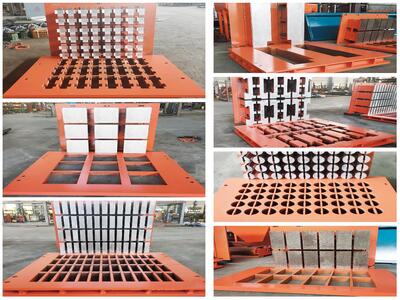
1. Identify the Type of Concrete Blocks You Want to Produce
Before ordering a block machine mold, determine which products your customers need.
Hollow block molds: These molds contain cores that form internal holes in the blocks. Core design, wall thickness, and mold dimensions must match the required block specifications.
Solid block molds: These are designed to produce blocks without large internal cavities. The mold must allow consistent material filling and effective compaction.
Interlocking paver molds: These molds create specific shapes and surface patterns for paving applications. Dimensional accuracy and consistent product geometry are especially important.
Special-shaped block molds: Retaining-wall blocks, landscaping blocks, and other custom products may require specially designed molds and compatible machine configurations.
Before investing in a mold, research local construction requirements and customer preferences. Producing more product types is not always better if local demand is limited.
2. Check Mold Compatibility With Your Block Making Machine
One of the most common purchasing mistakes is assuming that every mold fits every block making machine.
Molds must match the machine’s mold mounting system, working dimensions, pressing head, feeding system, and operating method. Even molds designed for similar machines may not be interchangeable.
Before placing an order, confirm the following details with your supplier:
* Machine brand and model.
* Mold mounting dimensions and fixing method.
* Maximum mold dimensions and working height.
* Required block sizes and cavity arrangement.
* Compatibility with the machine’s vibration and pressing system.
If you are purchasing a replacement mold, provide the supplier with the machine model, existing mold dimensions, product drawings, and photographs when possible.
Practical tip: Confirm compatibility in writing before production begins. A low-priced mold is not a good deal if it cannot be installed or operated correctly.
3. Choose the Right Mold Material and Manufacturing Quality
Mold material affects durability, wear resistance, maintenance requirements, and long-term production costs.
Steel molds are commonly used in industrial block manufacturing. Their performance depends on steel grade, heat treatment, machining accuracy, and the quality of the working surfaces.
When comparing molds, ask suppliers about:
* Steel grade and hardness specifications.
* Heat treatment and wear resistance.
* Accuracy of the mold cavity and core dimensions.
* Quality of welding, machining, and surface finishing.
* Expected service life under specified operating conditions.
Do not compare molds by thickness or price alone. A thicker mold is not automatically a better mold, and service life depends on the materials used, manufacturing quality, production conditions, and maintenance.
For high-volume factories, investing in a well-manufactured mold can help reduce replacement frequency and maintain more consistent block dimensions.
4. Match the Mold Design to Your Raw Materials and Production Process
Even a well-made mold may perform poorly if the concrete mix is unsuitable.
Concrete block production commonly uses relatively stiff, low-slump concrete. The mixture must fill the mold properly, compact evenly, and retain its shape after demolding.
Consider these factors when selecting a mold:
Aggregate size: Oversized aggregate can interfere with filling narrow cavities or thin block walls. The maximum aggregate size must suit the product design and mold dimensions.
Material distribution: The mold and feeding system should allow the mixture to reach all areas consistently. Poor filling can produce incomplete corners or uneven block surfaces.
Compaction and demolding: Core geometry, cavity depth, and machine settings affect how the block compacts and releases from the mold.
Product dimensions: Wall thickness, hole size, and overall dimensions should meet the applicable product specifications.
If you are changing aggregate types or developing a new block design, conduct trial production before committing to large-scale manufacturing.
5. Can One Block Machine Use Different Molds?
Many block making machines can use different molds to produce multiple product designs. However, this depends on the machine’s configuration and the compatibility of each mold.
Changing molds may allow a factory to produce different block sizes, hollow blocks, solid blocks, or paving products. This can help businesses respond to changing customer demand without purchasing an entirely separate machine.
However, not every machine supports every product. Some paving blocks require different feeding, pressing, or handling arrangements. Mold changes may also require adjustments to machine settings and production procedures.
Before purchasing additional molds, ask your supplier:
* Which products can the machine produce?
* How long does a mold change normally take?
* Are additional pressing heads or accessories required?
* Can the machine maintain the required dimensions and quality for each product?
* What is the cost of each additional mold?
Choose additional molds based on realistic sales opportunities rather than simply increasing the number of available products.
6. How to Maintain a Block Machine Mold
Regular maintenance helps extend mold service life and maintain product consistency.
After production, remove residual concrete and clean the mold surfaces using methods approved by the manufacturer. Avoid damaging precision surfaces or using tools that may scratch or deform the mold.
Inspect the mold regularly for:
* Wear on cavity walls and core components.
* Cracks, deformation, or damaged welds.
* Loose fasteners and mounting problems.
* Uneven wear that may affect block dimensions.
* Concrete buildup that interferes with filling or demolding.
Keep a record of mold usage, maintenance, repairs, and product defects. If block dimensions begin to vary or edges become damaged, inspect the mold alongside the mix, feeding system, and machine settings.
Replace worn or damaged components before they create repeated quality problems or production interruptions.
7. Common Mistakes When Buying a Block Machine Mold
Avoid these mistakes when selecting a new or replacement mold:
Choosing by price alone: A low initial price may lead to higher replacement and downtime costs.
Ignoring machine compatibility: Always verify mounting dimensions and machine specifications.
Overlooking local product requirements: Block dimensions and performance requirements should match the intended application and local standards.
Expecting the mold to solve every quality problem: Weak blocks may result from poor mix design, moisture control, compaction, or curing rather than mold defects.
Ordering without testing: If possible, test sample production and check dimensions, surface quality, and demolding performance before accepting the mold.
For buyers, these checks reduce purchasing risks. For existing block factory owners, they can help improve production consistency and avoid unnecessary equipment replacement.
Conclusion
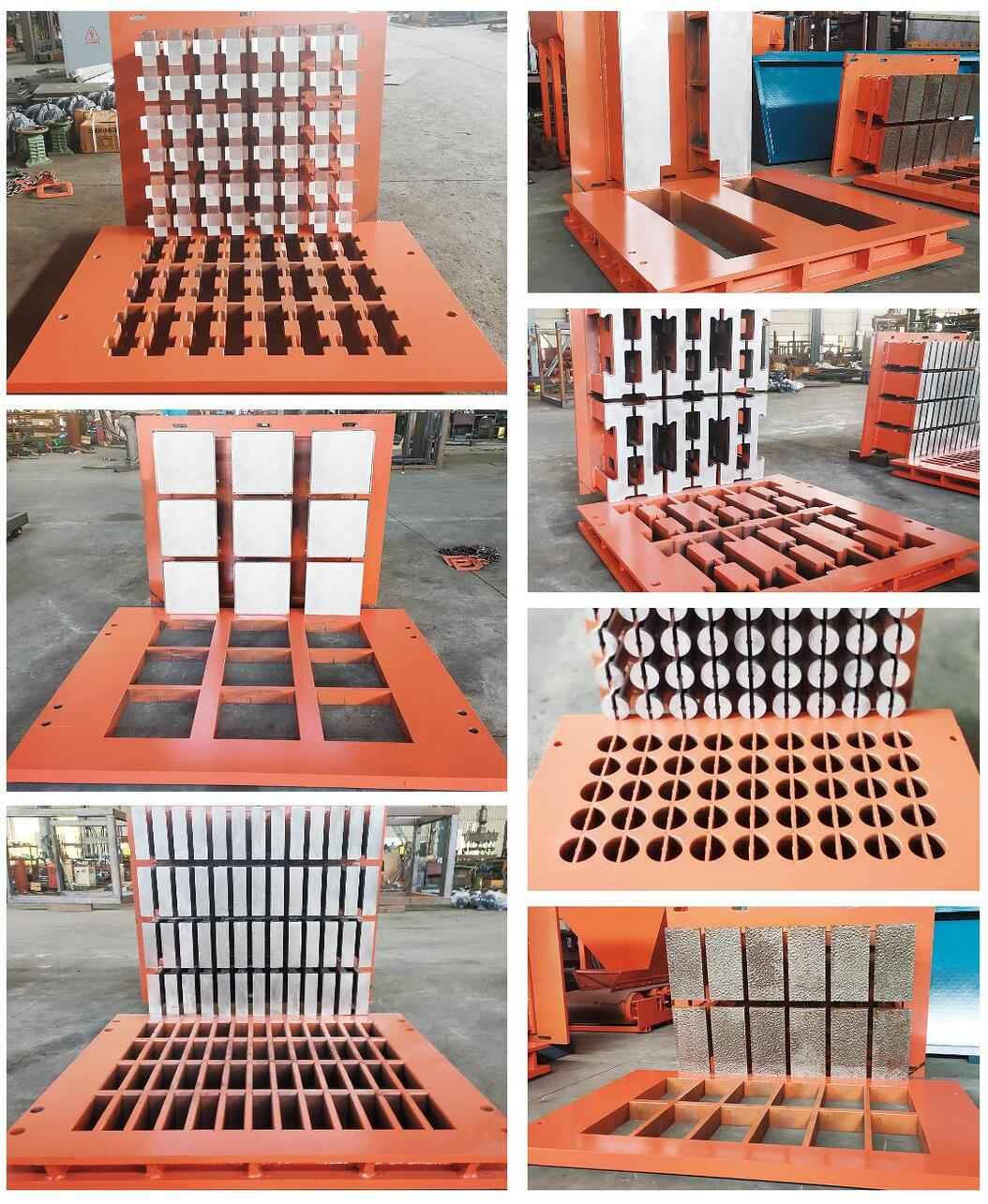
Choosing the right block machine mold involves more than selecting a shape. You need to match the mold to your machine, product dimensions, raw materials, production process, and market demand.
A suitable mold helps produce consistent block shapes, improves demolding, and supports efficient production. Good manufacturing quality and regular maintenance can also reduce downtime and replacement costs.
Before ordering, confirm machine compatibility, review the mold material and manufacturing quality, and test the finished products against your specifications.
The best block machine mold is the one that consistently produces the products your customers need while keeping quality, maintenance, and operating costs under control.
FAQ
1. How do I choose the right mold for my block making machine?
Start with your target block design, dimensions, and required production volume. Then confirm that the mold matches your machine model, mounting system, pressing head, and operating method. Ask for technical drawings before ordering.
2. Can one block making machine produce hollow blocks and solid blocks?
Many machines can produce both by changing molds, but compatibility depends on the machine design and product specifications. Confirm the available mold options and any additional equipment required with your supplier.
3. How long does a concrete block machine mold last?
Mold life depends on steel quality, heat treatment, aggregate abrasiveness, production volume, operating settings, and maintenance. Ask the supplier for service-life information under comparable working conditions rather than relying on a general number.
4. Why are my concrete blocks sticking to the mold or breaking during demolding?
Possible causes include unsuitable moisture content, poor material distribution, incorrect compaction settings, worn mold surfaces, or a problem with the demolding system. Check the mix and machine settings before assuming the mold must be replaced.
5. Can I order a custom mold for special concrete block designs?
Yes, many manufacturers can produce custom molds based on product drawings and machine specifications. Before ordering, confirm the design dimensions, mold compatibility, manufacturing lead time, cost, and whether a trial run will be available.
 One kilometer away from the exit of Nanshi Expressway in Rongqiao Project Concentration Area, Nan'an City
 البريد الإلكتروني
: admin01@liandamachine.com



 شبكة IPv6 المدعومة