


ما الذي تبحث عنه؟
In 2026, global construction industries are pushing for circular economy and waste‑reduction policies. More and more block plant owners are looking to turn construction and demolition waste into profitable building blocks. Recycled aggregate (crushed concrete, brick, mortar waste) is a low‑cost raw material, but producing stable, qualified blocks is not as simple as feeding waste into a standard block machine.
Many factory operators run into common pitfalls: high defective rates, inconsistent block strength, rapid wear of machine molds and vibration tables, and failure to meet local building standards. Some buyers wrongly assume any regular block machine can handle recycled aggregate, resulting in premature equipment damage and production losses.
This guide explains how to select and operate a recycled‑aggregate block machine, key raw‑material preparation steps, quality‑control tips, equipment‑wear prevention, and real‑world ROI analysis. It is suitable for new investors planning a waste‑recycling block plant, as well as existing block‑plant owners who want to add recycled‑aggregate production to their existing line.
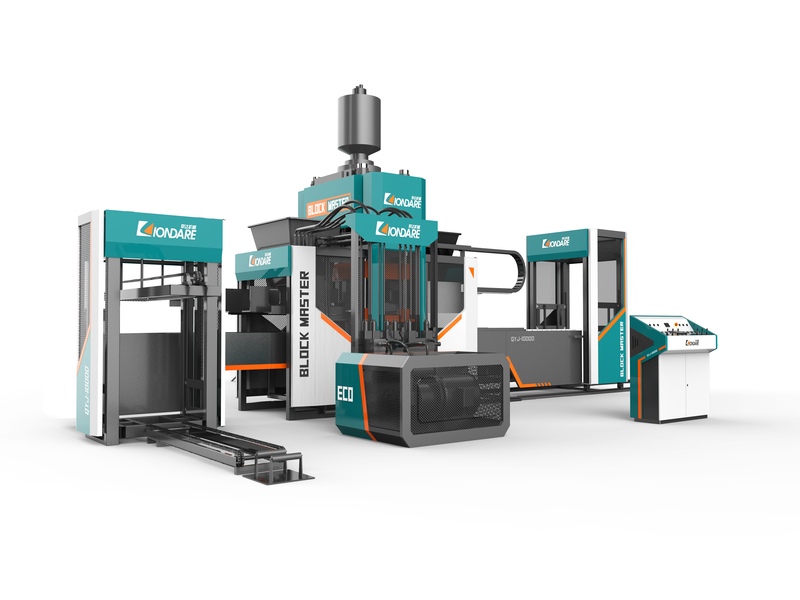
Recycled aggregate is processed from construction‑demolition waste: old concrete, broken bricks, mortar, and building debris. After crushing, screening and cleaning, it replaces natural sand and gravel for making hollow blocks, solid blocks, pavers and curb stones.
Recycled aggregate contains impurities, old mortar residue, and high water absorption. If not properly processed, it will cause:
Important note: Not every block machine is designed for recycled aggregate. Ordinary standard block machines suffer faster wear when processing hard recycled waste material.
To produce stable qualified blocks from construction waste, your block machine must have reinforced design features.
High‑pressure stable hydraulic system and adjustable vibration force are critical. Recycled aggregate has uneven particle grading, so adjustable vibration parameters help compact material evenly and avoid voids inside finished blocks.
A complete recycled‑aggregate block plant cannot work without auxiliary processing equipment:
Many buyers only buy the block‑forming machine and skip pre‑processing equipment, which is the top reason for poor‑quality recycled‑aggregate blocks.
Remove wood, plastic, metal and other foreign materials from construction waste. Crush waste concrete and bricks into graded particles. Typical particle size for block production is 0‑31.5 mm. Too‑large particles will cause internal voids in blocks.
Screen crushed material to separate different particle grades. Mud and clay impurities must be minimized; high mud content will drastically reduce block compressive strength.
Recycled aggregate has higher water absorption than natural aggregate. Adjust water‑cement ratio carefully. Add proper cement content to compensate for aggregate water absorption. Test mix ratios before mass production to guarantee compressive strength meets local building standards.
Adjust vibration time, vibration amplitude and hydraulic pressure for recycled aggregate. Compared with natural‑aggregate production, recycled aggregate usually needs longer vibration compaction time.
Recycled‑aggregate blocks require proper curing time and humidity. Insufficient curing will lead to surface cracking and low strength.
Problem 1: Blocks have internal voids and low compressive strength Root Cause: Poor particle grading, insufficient vibration compaction Solution: Optimize crushing & screening; increase vibration time; adjust cement ratio
Problem 2: High defective rate, uneven block size Root Cause: Molds are worn; recycled aggregate contains oversized particles Solution: Use wear‑resistant reinforced molds; strictly control particle size
Problem 3: Fast wear of mold and vibration table Root Cause: Abrasive recycled aggregate particles Solution: Select heavy‑duty machine; regularly inspect mold wear; clean aggregate impurities
Problem 4: Block surface cracking after curing Root Cause: Too much water absorption of recycled aggregate, improper curing Solution: Adjust water‑cement ratio; extend curing period; control aggregate moisture
This is a frequently‑asked question for existing block‑plant owners.
If your existing block machine has a thin‑wall frame and standard‑thickness molds, it is not recommended to run recycled aggregate for long‑term mass production. The abrasive waste material will accelerate frame and mold wear, leading to frequent breakdowns and high spare‑part costs.
You have two options:
The payback period depends on local waste‑material supply, market demand for recycled blocks, and local policy support. Proper raw‑material pre‑processing is the key to keep operating costs under control.
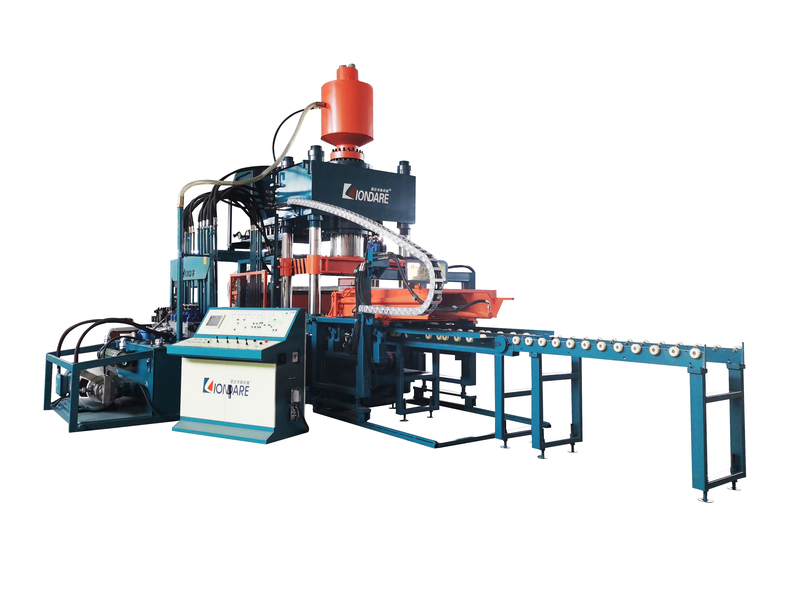
In 2026, recycled‑aggregate block production is a promising business opportunity driven by circular‑economy policies. However, success relies on three key points: proper pre‑processing of construction waste, correct mix‑formula design, and a block machine with reinforced wear‑resistant structure.
Do not rely on ordinary standard block machines for large‑scale recycled‑aggregate production. For existing plant owners, evaluate whether partial retrofit is feasible; for new investors, choose a complete recycled‑aggregate block production line with crushing and screening support.
Our engineering team can provide customized solution for recycled‑aggregate block production, including equipment selection, raw‑material formula suggestion and plant layout planning. Contact us to get your detailed quotation and ROI analysis.
Q1: Can a standard ordinary block machine produce blocks from construction waste?
A: Standard block machines can make small‑batch recycled‑aggregate blocks, but are not suitable for long‑term mass production. Recycled aggregate is highly abrasive, which will rapidly wear molds, vibration tables and machine frames. For stable large‑scale production, you need a reinforced recycled‑aggregate block machine or retrofit with heavy‑duty molds and optimized vibration system.
Q2: What particle size of construction waste is suitable for recycled aggregate block production?
A: The ideal particle size ranges from 0 mm to 31.5 mm. Oversized particles create internal voids and reduce block strength. Proper crushing and screening is required to remove oversized debris and foreign impurities like wood and plastic.
Q3: Why do recycled aggregate blocks crack easily after curing?
A: The main reasons are high water absorption of recycled aggregate, improper water‑cement ratio, insufficient vibration compaction and inadequate curing. Adjust the mix formula, extend vibration time and maintain proper humidity during curing to solve cracking issues.
Q4: What auxiliary equipment is required for a recycled aggregate block plant?
A: Besides the block‑forming machine, you need a crushing machine, screening equipment, impurity‑removal system, and automatic batching system. Pre‑processing equipment is critical for stable block quality; skipping these will lead to high defective rates.
Q5: Is producing recycled aggregate blocks profitable for block plant owners in 2026?
A: It can be profitable thanks to low‑cost construction‑waste raw materials and green‑building market demand. But you need to account for extra investment in crushing‑screening equipment and higher wear‑part consumption. Profitability depends on local waste supply, market acceptance of recycled blocks and relevant government incentives.
 One kilometer away from the exit of Nanshi Expressway in Rongqiao Project Concentration Area, Nan'an City
 البريد الإلكتروني
: admin01@liandamachine.com
البريد الإلكتروني
: admin01@liandamachine.com


 شبكة IPv6 المدعومة